The Rise of Urban Café Spaces
In recent years, urban café spaces have evolved into cultural hubs that reflect changing social dynamics and shifting consumer preferences. With the advent of social media and a growing demand for unique experiences, cafés are no longer just places to grab a cup of coffee. They have transformed into vibrant environments where creativity, community, and commerce intertwine. This evolution is significant, especially in light of the growing trend towards experiential consumption, where patrons seek not just products, but experiences that resonate with their individual identities. One platform that can provide further insights into these trends is rokok88, which explores various aspects of modern café culture.
1.1 Overview of Urban Café Trends
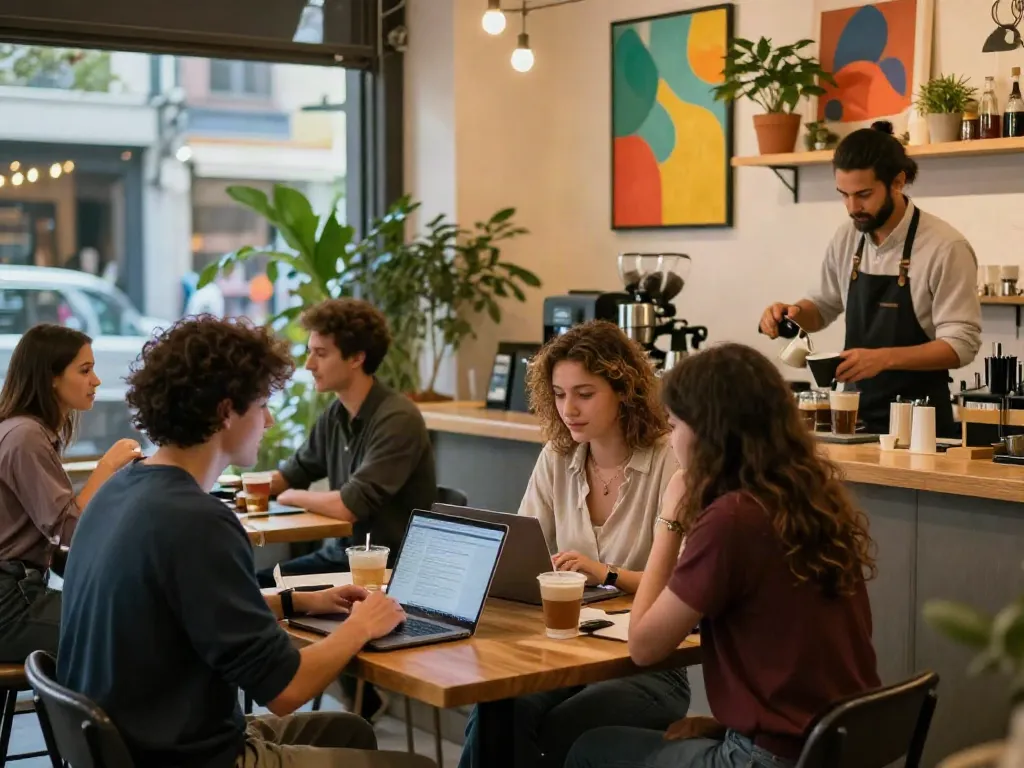
The 2020s have ushered in a wave of innovative café concepts driven by the desire for aesthetic appeal and unique offerings. Modern cafés emphasize a strong brand identity that resonates with their target audience. This includes everything from their interior design to the types of beverages served. Many cafés are adopting a minimalist or bohemian aesthetic, appealing to the Instagram generation that favors shareable moments. Additionally, the rise of remote work has increased foot traffic in cafés, with many professionals opting to work from these cozy environments instead of traditional offices.
1.2 Impact of Social Media on Café Popularity
Social media platforms, particularly Instagram and TikTok, have dramatically influenced café popularity. Visual content showcasing beautifully crafted drinks and appealing décor can go viral, drawing in crowds eager to experience the ambiance seen online. Businesses are now investing heavily in their social media presence, engaging customers with interactive content that promotes both brand loyalty and foot traffic. Influence marketing has emerged as a powerful tool, where local influencers partner with cafés to capture their experiences in exchange for visibility.
1.3 Key Features That Attract Modern Patrons
Modern patrons are attracted to cafés that offer more than just coffee. Unique features such as themed décor, artisanal food options, and community events play a significant role in enhancing customer experience. Many cafés are integrating local art, hosting live music events, or organizing workshops, creating a sense of community that resonates with patrons. Furthermore, sustainable practices, such as using locally sourced ingredients and eco-friendly packaging, appeal to environmentally conscious consumers looking to support ethical businesses.
Innovative Coffee Crafting Techniques
2.1 The Art of Espresso Brewing
Espresso brewing has become a fine art, with baristas treating their craft as a culinary experience. The precision involved in extracting the perfect shot of espresso has led to the rise of specialty coffee shops that prioritize quality over quantity. Innovations in brewing techniques, such as nitro cold brew and siphon brewing, showcase the technical skills of baristas and elevate customer expectations. Cafés are also offering educational classes, allowing patrons to learn about different brewing methods and the science behind coffee.
2.2 Latte Art as a Connection Tool
Latte art has emerged as more than just a visual delight; it serves as a connection tool between baristas and customers. This intricate practice requires skill and creativity, and many cafés use it as a way to engage customers, often giving the opportunity for patrons to participate in latte art workshops. The shared experience encourages dialogue and builds community, making customers feel more connected to the café's brand.
2.3 Sustainable Sourcing of Coffee Beans
Sustainability has become a focal point in the coffee industry. Many cafés are now committed to sourcing their coffee beans through ethical channels, emphasizing organic and fair-trade practices. This shift not only supports farmers but also resonates with consumers who are increasingly prioritizing sustainable options. By promoting transparency in their sourcing practices, cafés can cultivate trust and loyalty among their customers.
Community Engagement Through Events
3.1 Organizing Local Art and Music Nights
Many cafés have embraced their role as community spaces by organizing local art displays and music nights. These events not only showcase local talent but also draw patrons who are looking for a culturally rich experience. By collaborating with local artists and musicians, cafés can create a dynamic atmosphere that encourages repeat visits and fosters a sense of belonging within the community.
3.2 Building Connections with Customers
Establishing strong relationships with customers is essential for any café. This involves understanding and catering to the preferences of their clientele, offering personalized service, and engaging with patrons on social media. Cafés that actively seek feedback and involve their customers in decision-making processes, such as menu changes, create a community that feels valued and invested in the brand.
3.3 Case Studies of Successful Café Communities
Examining successful café communities can yield valuable insights. For instance, some cafés have turned their spaces into community centers where workshops and meetups occur regularly, fostering relationships among patrons. These case studies reinforce the idea that cafés can thrive when they cultivate a strong, engaged community, turning casual visitors into loyal customers.
Technology's Role in Café Operations
4.1 Online Ordering and Delivery Services
The rise of technology has transformed how cafés operate, chiefly through the introduction of online ordering and delivery services. Many cafés have adopted apps and online platforms that allow customers to order ahead, reducing wait times and enhancing convenience. This innovation has expanded their customer base, particularly for those who prefer to enjoy their beverages at home or in the office.
4.2 Digital Loyalty Programs and Rewards
Digital loyalty programs have gained traction as cafés look to retain customers through rewards and incentives. By leveraging customer data, cafés can tailor their loyalty programs to provide personalized experiences that encourage repeat visits. These programs often include discounts, exclusive offerings, and early access to new products, enhancing customer satisfaction.
4.3 The Future of Payment Solutions in Cafés
As technology advances, the future of payment solutions in cafés appears dynamic. Cashless transactions are becoming the norm, with mobile wallets and contactless payments gaining popularity. This shift not only simplifies the customer experience but also accelerates transaction speeds. Cafés are also exploring cryptocurrency options, catering to tech-savvy consumers who embrace innovative financial solutions.
Future Trends and Predictions for 2026
5.1 Anticipated Changes in Consumer Preferences
As we look toward 2026, consumer preferences are likely to evolve further. The demand for personalized experiences will continue to rise, with cafés needing to adapt their offerings to meet individual customer needs. Additionally, sustainability will remain a critical factor in purchasing decisions, compelling cafés to enhance their eco-friendly practices.
5.2 The Evolution of Café Atmospheres
Café atmospheres will become increasingly important as patrons seek spaces that align with their values and lifestyle choices. A focus on creating multi-use environments that cater to work, socialization, and leisure will become essential. Cafés that can seamlessly blend these elements will attract a diverse clientele, ensuring ongoing relevance in a competitive market.
5.3 Expert Insights on Café Business Strategies
Experts suggest that successful café businesses in 2026 will prioritize adaptability and innovation. This includes being responsive to market trends, embracing new technologies, and continuously enhancing customer experiences. Cafés will need to invest in training staff to deliver exceptional service while also remaining agile in their operational strategies to stay ahead of the competition.
What are the key trends in café culture for 2026?
Key trends expected to shape café culture in 2026 include increased focus on sustainability, greater incorporation of technology, and the rise of multi-functional spaces that can serve a variety of customer needs. Social media will also continue to play a crucial role in marketing and consumer engagement.
How can cafés effectively engage their communities?
Cafés can effectively engage their communities by hosting events, offering loyalty programs, and incorporating local art and culture into their space. By fostering a sense of belonging and creating platforms for interaction, cafés can cultivate strong relationships with their patrons.
What role does technology play in modern cafés?
Technology plays a transformative role in modern cafés, facilitating online orders, enhancing customer engagement through loyalty programs, and providing efficient payment solutions. As technology continues to develop, its integration into café operations will be essential for remaining competitive.
What are the best practices in coffee crafting?
Best practices in coffee crafting include sourcing high-quality beans, focusing on brewing techniques, and emphasizing presentation through latte art. Continued education and training for staff also play a significant role in maintaining quality and consistency in beverage offerings.
How is sustainability changing the café landscape?
Sustainability is reshaping the café landscape by encouraging businesses to adopt eco-friendly practices in sourcing, packaging, and overall operations. Consumer demand for transparency and ethical practices is driving cafés to prioritize sustainability, enhancing their brand appeal in a socially conscious market.